
From Air to Liquid: How Heatload is Adapting Data Centre Testing for the AI Era
The data centre industry is changing at an extraordinary pace. As AI and high-performance computing drive greater power densities, the way facilities are designed, cooled, commissioned and tested must evolve.
Evolution is nothing new at Heatload, it is in our DNA. For over 40 years, our experience in data centre infrastructure projects, construction, testing and commissioning has taught us a vital lesson: you cannot stand still in an industry that never does.
Today, one of the biggest areas of change is cooling: Higher densities. Greater heat. New challenges.
As processing power increases and rack densities rise, managing the heat generated by IT equipment is becoming an increasingly important engineering challenge.
Traditional air cooling continues to have an important role within data centres, but higher-density environments are accelerating interest in technologies such as immersion and Direct-to-Chip (DTC) liquid cooling.
And when the technology inside the data centre changes, the way we test and commission it needs to change too.
For Heatload, that meant asking a simple question:
How can we realistically simulate the thermal demands of the next generation of data centres before the live IT equipment arrives?
For the past 25-years Heatload has been supplying heat load testing equipment to help commissioning teams simulate IT loads and validate data centre infrastructure. Our services have evolved from using simple space heater to emulators, gradually increasing the density of heat we can produce in the same footprint while maintaining the delta-t. The change to liquid cooling is a step change in the way we need to provide load.
The objective was not to create just another load bank. Our objective is and always has been to provide the industry with the very best products and services required to test tomorrow’s infrastructure. We drew on our experience working with Castrol ON in the immersion cooling market, developing the Immulator. We wanted to create an entirely new product to test data centers being built for direct-to-chip, we did not want to simply rebadge an ‘electric boiler’ and call it a ‘load bank’.
Working collaboratively with industry partners, including Castrol ON, Heatload has been developing a liquid load bank specifically for the commissioning and testing of data centre where direct-to-chip cooling technology will be deployed.
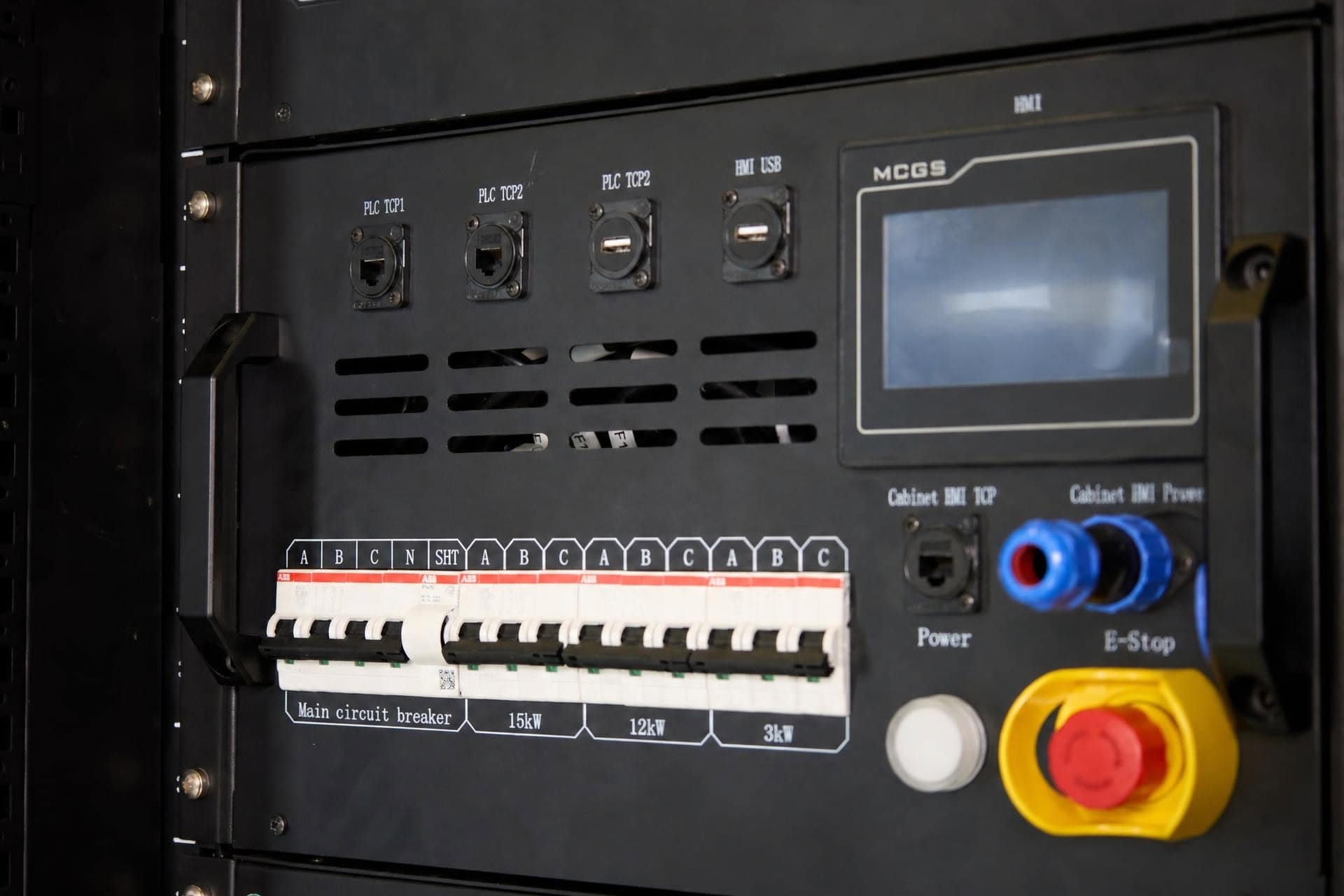
Our LBR-240 240kW 48U rack based solution incorporates modular eight 30kW liquid-cooled load banks connected to an internal manifold with 2” connection that be tailored to fit customer site TCS connection. This configuration allows us to simulate the current and future AI rack configurations. Using our existing 20kw floor standing emulators can be used to replicate the supporting racks within the AI pod.
This allows commissioning teams to recreate increasingly realistic thermal conditions and test the performance of cooling infrastructure before valuable live IT equipment is introduced.
The LBR-240 is the only load bank that is certified for use with Castrol PG-25 coolant. Other coolants with the same chemical formulae are also compatible. No other load bank company can make this claim. Castrol recently announced their PG-25 coolant had been certified by Nvidia for use within the Nvidia product suite.
Drawing on Castrol ON’s experience with coolants, we have developed processes to guarantee our load banks do not introduce contaminates into the customer Technology Coolant Loops. We have minimised the volume of coolant within the LBR-240, reducing flushing waste.
Innovation comes from collaboration.
One of the biggest lessons from the development of all of our products, especially the LBR-240 has been the importance of collaboration. We cannot develop any product in isolation. During the development of the LBR-240 we have included input from end users, data center owners, commissioning consultant, design consultants, contractors, technology manufacturers … the list is endless. It has been a challenge to incorporate the features different parties have wanted included but also producing a product that is able to be manufactured and at is affordable.
Evolution of data center design is constant, as is our own education, research and development.
Testing before the IT arrives
Commissioning has always been about identifying potential problems before a facility becomes operational. Liquid cooling doesn’t change that principle. It just introduces a new set of systems, technologies and considerations that need to be validated.
By recreating representative thermal loads during commissioning, engineers can investigate how systems perform under realistic operating conditions and gain greater confidence in the infrastructure before live IT equipment is installed.
As data centre technology becomes more complex, effective testing becomes even more important; not less.
Our journey continues
At Heatload, we don’t have a glass ball to predict what the data centre of ten or twenty years from now will look like. What we do know is that we will continue to listen to the market, work collaboratively with our customers and partners and adapt our products and services as the industry evolves.
Whatever the cooling technology our goal will always be the same: To give commissioning teams the tools they need to test data centre infrastructure with confidence.
As we continue to develop our liquid cooling products and services, we intend to share more of that journey. Innovation shouldn’t only happen behind closed doors.
Data Centre Testing… No Problem!

