Level 5 Commissioning:
Where a Data Centre Has to Prove Itself
A data centre can be designed correctly. Its equipment can be installed correctly. Every individual system can pass its functional tests.
But there is still one critical question to answer:
What happens when everything has to work together — under load, when something goes wrong?
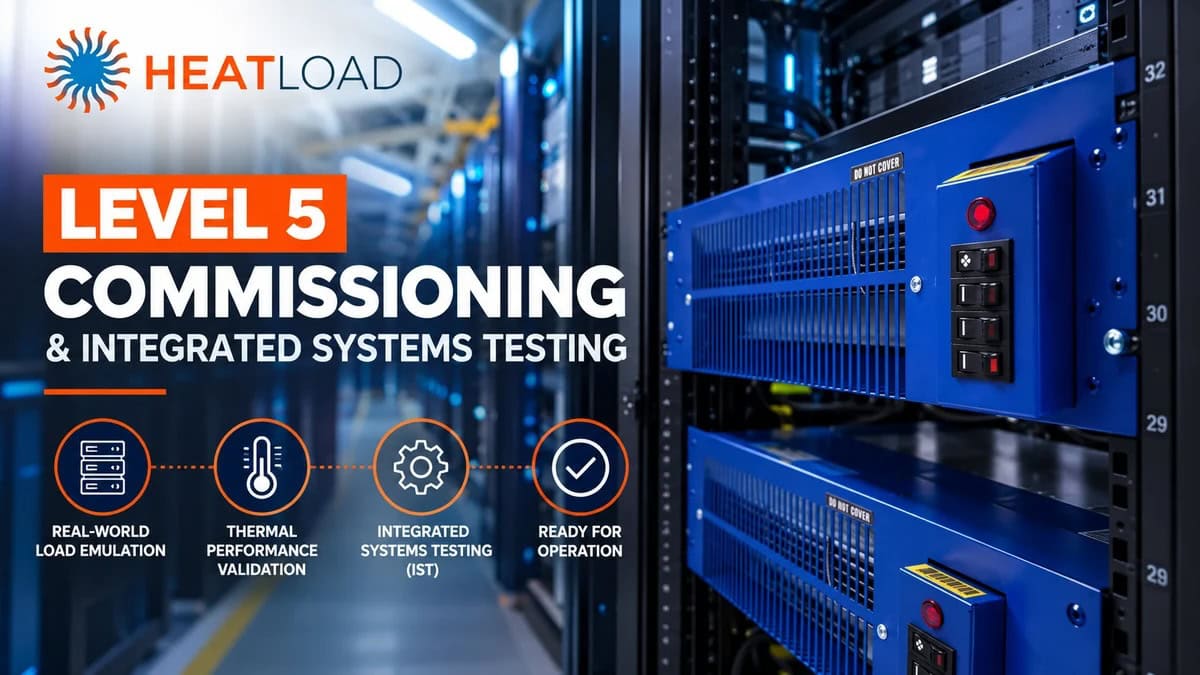
That is where Level 5 commissioning and Integrated Systems Testing (IST) comes in.
For Heatload, Level 5 represents one of the most important stages of the entire commissioning journey. It is where years of planning, construction and individual equipment testing are brought together and the facility is placed under conditions designed to replicate the demands it could face once operational.
And to do that effectively, you need one crucial ingredient: Load
What is Level 5 commissioning?
Level 5 is commonly referred to as Integrated Systems Testing (IST).
Earlier commissioning stages establish whether equipment has been installed correctly and whether individual systems perform as intended. Level 5 takes the process further by asking whether those systems can operate together as one complete facility.
That can mean running the data centre under representative electrical and thermal load while introducing planned scenarios and failures.
Utility supplies may be interrupted. UPS systems may be required to support the critical load. Generators may be called upon. Cooling equipment may fail or change operating state. Pumps, controls, alarms and redundancy strategies may all be challenged.
The objective isn’t simply to demonstrate that equipment switches on.
It is to prove that the data centre responds as designed when placed under realistic operational stress.
Why load is so important
There is one obvious problem when commissioning a new data centre: The servers aren’t there yet.
The facility has been designed to support potentially enormous IT loads, but the expensive live IT equipment that will eventually create those electrical and thermal demands hasn’t been installed.
Without representative load, commissioning teams aren’t testing the building under the conditions it has actually been designed to support.
That’s why load banks and heat load equipment become so important.
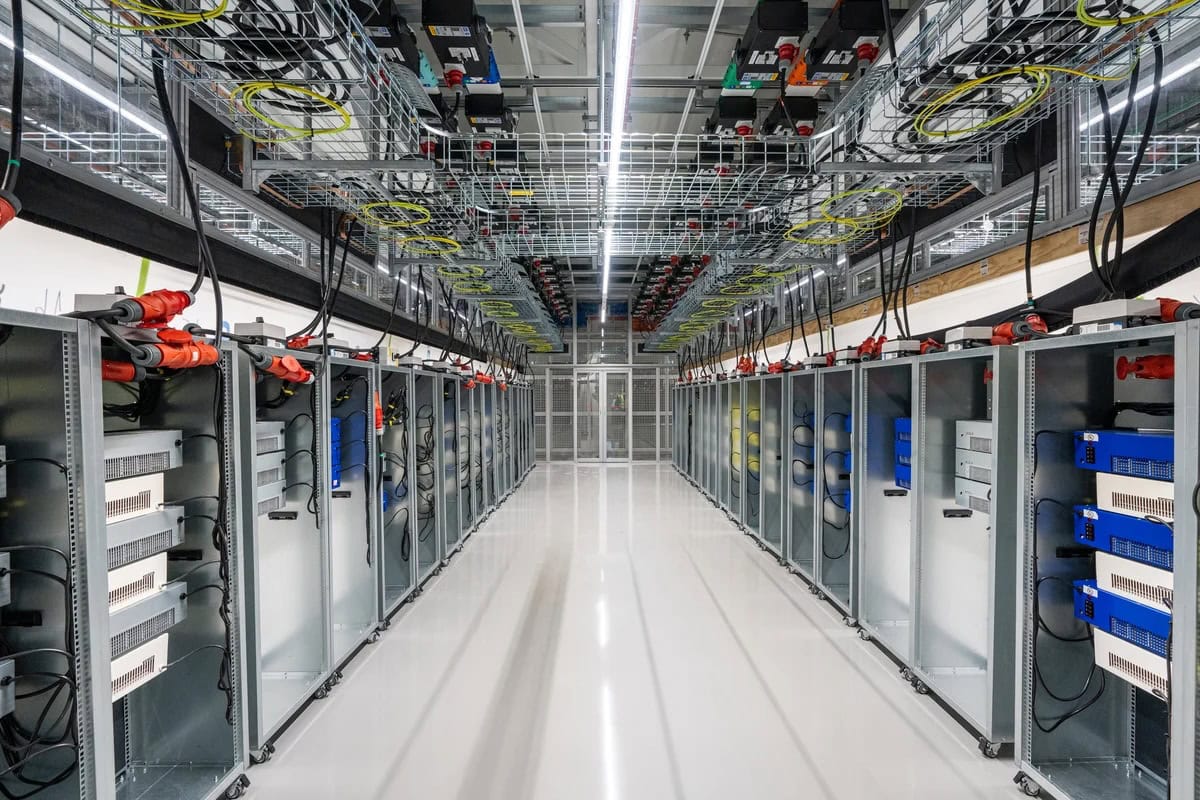
They allow commissioning teams to effectively stand in for the future IT equipment, creating controlled electrical and thermal demand throughout the data hall.
This allows the teams involved to see how the facility behaves before valuable customer IT equipment is placed at risk.
And this is where Heatload plays a vital role.
Heatload: Helping Put the “Load” into Level 5
Heatload has spent more than 25 years supporting the testing and commissioning of data centre infrastructure.
Over that time, we’ve seen facilities become larger, more powerful and considerably more complex.
Our equipment has evolved with them.
What started with relatively simple methods of generating heat has developed into sophisticated heat load emulators, large rental fleets and now specialist liquid-cooled load bank technology capable of supporting the industry’s transition towards higher-density AI infrastructure.
But providing equipment is only one part of what we do.
The real value comes from understanding commissioning.
We understand that when a Level 5 programme begins, there can be very little room for error.
Challenge #1: “We need a huge amount of load — quickly.”
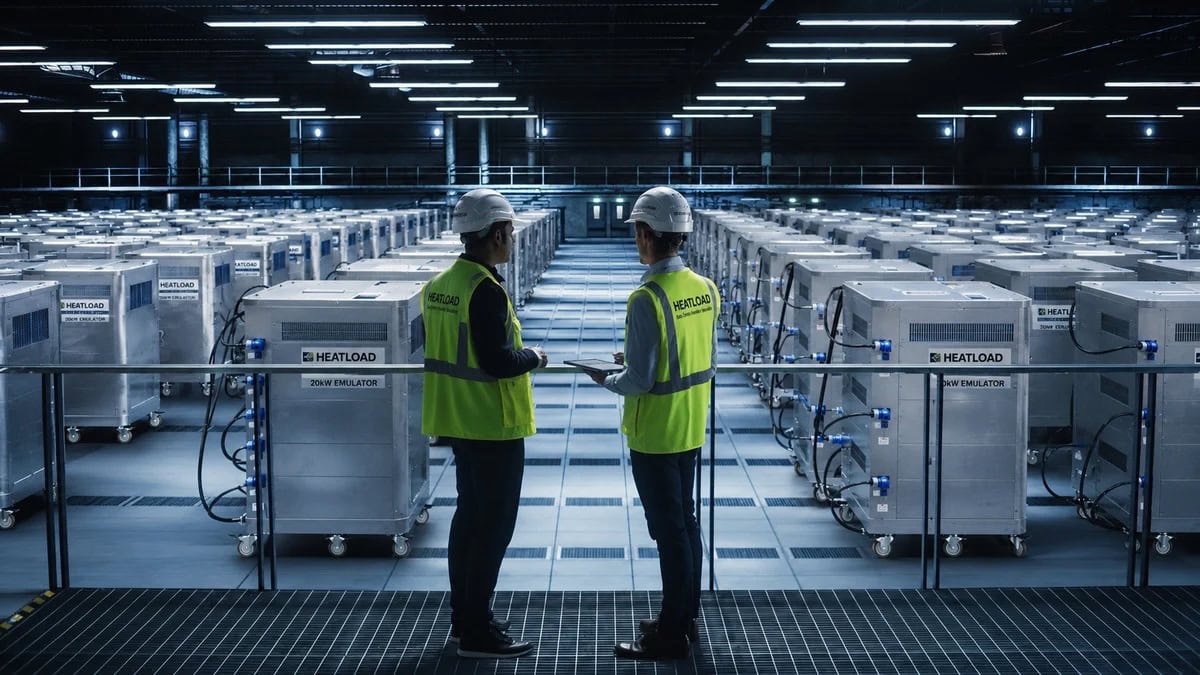
Large data centre projects can require significant quantities of load bank equipment.
That immediately creates a logistical challenge.
Equipment needs to be available, transported to site, positioned throughout the facility, connected, commissioned and ready for the testing programme.
And project requirements can change.
Schedules move
Testing dates change
Additional load may be required
Equipment might need relocating
For a commissioning team already working against a demanding programme, managing the heat load equipment shouldn’t become another project within the project.
Heatload’s experience allows us to support customers with the equipment, people and practical knowledge required to deliver heat load testing at scale.
We understand the environment we’re working in and the importance of getting the right equipment into the right location at the right time.
Challenge #2: “We need to recreate the real data hall.”
A Level 5 test isn’t simply about reaching a total MW figure.
Where the load is generated matters too.
A future data hall isn’t going to generate all its heat from one corner of the room.
The load will be distributed across racks and rows, potentially with different densities and operating characteristics throughout the space.
Heat load testing therefore gives commissioning teams an opportunity to recreate a much more representative operating environment.
By positioning emulators throughout the data hall, teams can observe temperature behaviour, airflow, cooling response and environmental conditions under load.
It turns an empty white space into something that behaves much more like the live data hall it is about to become.
Challenge #3: “What happens when something fails?”
This is arguably where Level 5 becomes most valuable.
Data centres are designed with resilience and redundancy because failure is inevitable at some point during their operational life.
Level 5 allows teams to test those scenarios before they happen for real.
- What happens when utility power disappears?
- Does the UPS maintain the critical load?
- Do the generators respond correctly?
- What happens to cooling during the transition?
- Do redundant systems take over as expected?
- Do controls communicate correctly?
- Are the correct alarms generated?
And crucially:
Can the required environmental conditions be maintained throughout the event?
IST allows these interactions to be observed under load, giving the commissioning team the opportunity to identify weaknesses while the building is still in a controlled testing environment.
Challenge #4: “The programme has changed.”
Anyone involved in commissioning knows that the programme on paper and the reality on site aren’t always the same thing.
Construction delays can push testing.
Areas may become available at different times.
Test sequences can change.
Additional equipment may suddenly be required.
A failure during testing can mean equipment needs to remain on site while the problem is investigated and a retest organised.
These aren’t unusual circumstances.
They’re commissioning.
And this is where working with a specialist supplier that understands the environment can make a significant difference.
Heatload has built its service around the realities of data centre commissioning.
Our role is to work collaboratively with commissioning teams, contractors, consultants and customers to help find practical solutions when requirements change.
Because during Level 5, responsiveness matters.
Challenge #5: “What if the load bank fails during the test?”
The equipment used to prove the facility also needs to be dependable.
A Level 5 programme can involve numerous stakeholders, engineers and specialists being brought together for a tightly controlled test window.
If temporary testing equipment isn’t ready or reliable, the consequences aren’t limited to the equipment itself.
It can affect the wider programme.
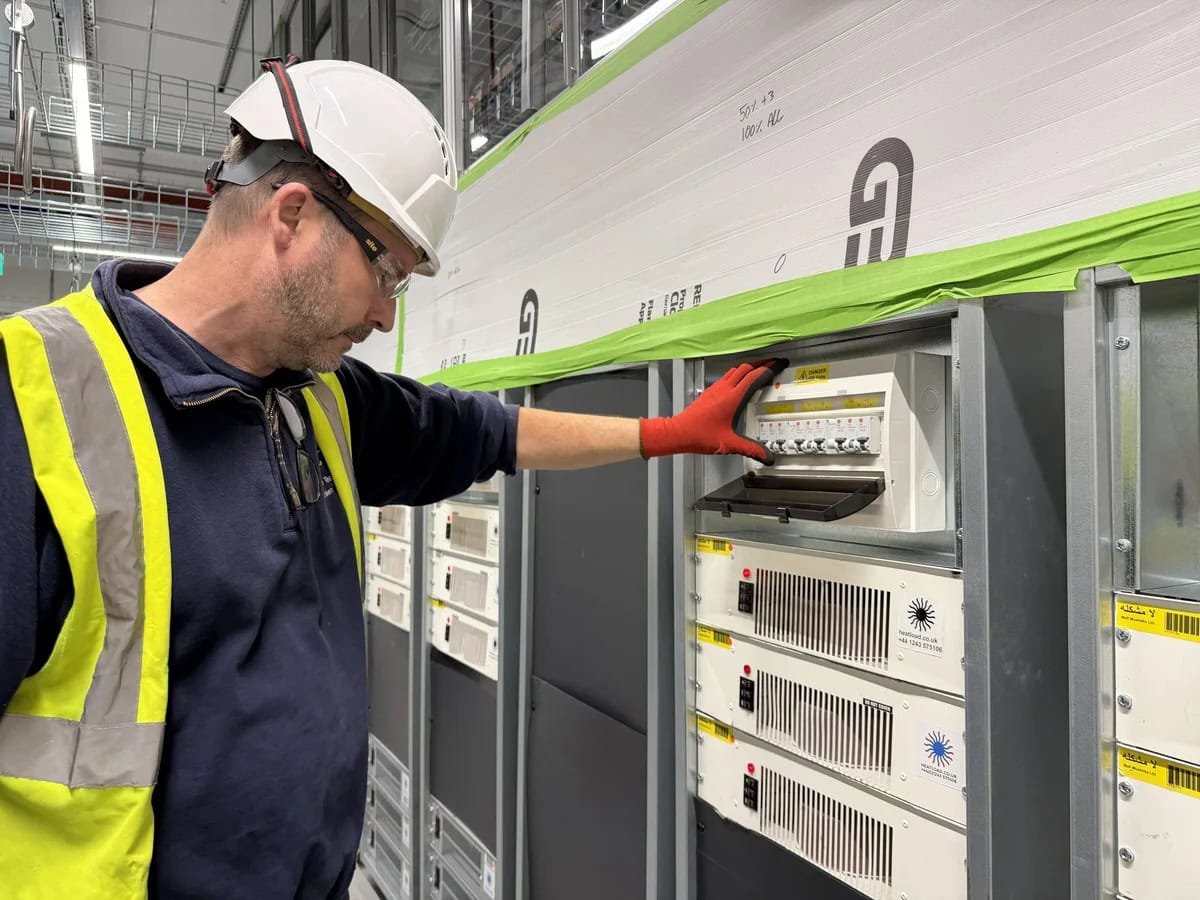
This is why Heatload doesn’t view load banks as simply boxes that arrive on a pallet.
Our experience covers the wider delivery of heat load testing — from planning and mobilisation through to installation, operation and support.
Our job is to help the commissioning team keep testing moving.